
Firmware, Keys, and DeFi: How to Keep Your Crypto Truly Yours
Whoa! This topic sneaks up on almost everyone who takes crypto seriously. My gut said hardware wallets were simple—plug in, confirm, done—until somethin’ felt off about the firmware side of things. I started poking under the hood and noticed messy update flows, ambiguous key-handling docs, and DeFi integrations that assume perfect user hygiene. The longer I looked, the more I realized that the security story isn’t a single product feature; it’s a chain of small decisions that add up to either safety or regret.
Seriously? Firmware updates mess people up. Most users hit “accept” because the UI is clean and they’re in a hurry. But firmware is the only code that touches your private keys at the device level. A compromised update or an inattentive process can expose those keys. On one hand, automatic updates are convenient. Though actually, wait—let me rephrase that: convenience often trades off against control, and control matters when you’re holding value that internet thieves target. Initially I thought a hardware wallet was enough, but then realized how the update pipeline, seed management, and host integrations interplay.
Quick checklist for the present moment. Keep firmware provenance tight. Verify update signatures. Never accept an update over an untrusted host. Use a known good companion app or official channel. These sound obvious. Yet in practice, users skip steps because the prompts seem small or boring.
Hmm… my instinct said to write this from experience, not from a spec sheet. So here’s an anecdote: I once watched a fellow developer update a device via a public Wi‑Fi hotspot at a coffee shop. He was proud it worked. I cringed. That update was signed, luckily. But the scene stuck with me—context matters. If your device verifies signatures properly, you’re generally safe. But signature verification requires a verified root of trust and a clear UX that shows the user the verification is really happening.
Okay, so check this out—when manufacturers push firmware, they usually sign images with a private key that corresponds to a public key baked into the device boot ROM. That’s the root. But that root key is only as useful as the device’s ability to refuse unsigned code, and as the user’s willingness to follow prompts. What’s often missing is transparent visibility (oh, and by the way, auditable logs are rare) and a predictable recovery plan if something goes wrong.
Firmware Best Practices (from someone who’s broken a few devices)
Whoa! Read the release notes. Yes, really. Developers love changelogs for good reason—they tell you what changed at a technical level. Medium-length prompts and release notes help you decide whether an update is necessary right away or can wait. If the release mentions security fixes, apply it sooner rather than later. If it mentions new network stacks or third-party integrations, pause and consider the attack surface expansion. My bias is toward conservative updates: apply security patches quickly, delay big feature updates until they stabilize.
Here’s a practical routine. First, always download firmware through official channels—manufacturer site or the official companion application. Second, verify signatures locally when possible. Third, keep a separate, offline record of device identifiers and firmware hashes in a place you control. Finally, maintain a backup policy for your seed that anticipates device failure without compromising secrecy. These steps are basic but very very important. If you skip them, the math is ugly.
Now about private keys. Short and sharp: never export them. Ever. Most hardware wallets won’t let you, by design. They sign transactions while keeping keys isolated. That isolation is your last line of defense. But isolation isn’t magic; it depends on the firmware and the path between your wallet and the blockchain. If the firmware is malicious or buggy, isolation can break down. So vet the firmware strategy: open-source firmware tends to get more peer review, but that alone is not a guarantee. What matters is build reproducibility, signed releases, and a community that audits the critical parts.
On DeFi integration—this is where things get spicy. DeFi relies on on-chain transactions that often require more complex signing patterns: permit signatures, meta-transactions, contract approvals. That complexity expands the UX surface. My instinct said “awesome,” because DeFi opens new capabilities. Then reality hit: each new capability is a potential footgun for users who click “Approve” without reading allowances and contract addresses. Initially I thought DeFi UX would catch up fast, but then realized wallet prompts lag behind protocol complexity.
So what to do? For users: limit approval scopes and durations, and prefer permit-based flows with tighter constraints when available. For wallet builders: present clear, contextual information about contracts, token allowances, and risk levels. Make the nonce, gas, and calldata visible in a human-friendly way—yes, that is harder than it sounds. For power users: use multisigs or contract-based accounts to add governance and recovery controls. There’s no single silver bullet, but defensive layering helps a lot.
I’ll be honest—hardware wallet ecosystems vary. Some vendors have polished update channels and explicit verification steps; some are a bit chaotic. If you use companion software, pick one with a well-documented trust model. If you’re using a desktop or mobile host, keep that host updated, and avoid untrusted browser extensions. Use a dedicated machine if you often interact with high-value DeFi positions. It feels extreme, but we’ve seen browser compromises do wild things.
Why ledger live matters
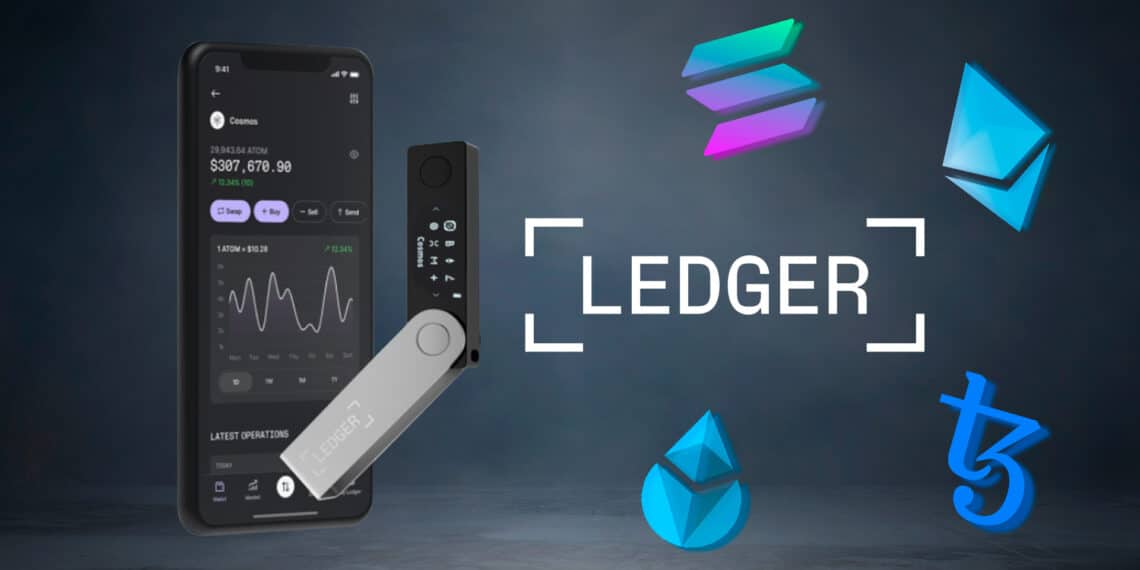
Really? Yes. A trusted companion app that coordinates firmware updates, transaction building, and state display reduces the number of moving parts. For example, using a verified official app such as ledger live gives you a central place to manage updates and view signed transaction previews. That centralized UX minimizes confusion, though you still must verify on-device screens for ultimate safety. I’m biased toward tools that minimize manual copying and reduce error-prone steps.
Working through trade-offs is tiring. On one hand, hardware wallets protect keys from host compromise. On the other hand, poor firmware or deceptive update flows undermine that protection. Balance this by trusting verified apps, auditing device interactions regularly, and using multi-layered defenses like passphrase-protected seeds and multisig arrangements. Also, be mindful: more convenience equals more integration points—each adds potential risk.
FAQ
How often should I update my firmware?
Apply critical security updates promptly. For non-critical feature releases, wait a week or two while the community vets them. If you run DeFi-heavy workflows, prioritize stability—test feature updates on a secondary device if you can.
Is it safe to use a companion app over public Wi‑Fi?
No. Public Wi‑Fi increases man-in-the-middle risk for the host machine and potentially the distribution of update packages if your machine is compromised. Use a trusted network, or tether to your phone with a secure hotspot. Small steps reduce big risks, trust me.
What about seed backups and passphrases?
Backups should be physically secure and split when practical (shamir or multiple backups). Consider a passphrase (25th word) only if you understand the recovery implications—it’s a powerful additional secret, but if you lose it, recovery is impossible. I’m not 100% sure everyone needs one; assess your threat model.