
Why Card-Based NFC Wallets Are Changing How I Carry Crypto
Wow!
This felt surprising the first time I tapped a card and watched a wallet spring to life.
My initial reaction was basically disbelief, and then curiosity turned to obsession.
I’ve used seed-based hardware wallets for years, though actually, wait—let me rephrase that, because somethin’ about card wallets rewired my instincts.
These little slabs of plastic and silicon force you to rethink what “secure” and “convenient” really mean, and that tension is exactly why they matter.
Seriously?
Yes—because the UX on some NFC cards is shockingly smooth.
You tap, authenticate, and the transaction signs without fumbling with cables or dongles.
On the other hand there are tradeoffs, and my gut said to be wary of marketing claims until I dug into threat models and failure modes which I did.
My instinct said: check the key storage, verify the backup approach, and consider how lost-card recovery works before trusting anything with real funds.
Whoa!
Initially I thought all card wallets were the same, but then I noticed big differences between implementations.
Some store a private key irreversibly inside a secure chip with no export option, while others allow re-seeding or backups to a companion device.
On one hand pure single-chip cards simplify life, though actually they make recovery harder if you lose the card without an external backup.
So you trade portability for a particular kind of irrevocability, and that’s not inherently bad—it just changes your habits.
Hmm…
I’ll be honest: the first time I recommended a card wallet to a friend, I hesitated.
My concern was not only about crypto safety but also about user error—people losing cards, people not understanding “non-custodial”, people thinking their phone protects everything.
But then I watched someone set one up in under five minutes and sign a transaction smoothly, and part of me relaxed.
That moment flipped my view a bit, proving that sometimes the simplest UX reduces dangerous mistakes.
Here’s the thing.
Security is layers, not magic.
NFC cards are excellent at minimizing attack surface because they often hold keys in a certified secure element that never reveals the private key, which is a big win.
However, if your recovery plan is weak—say a single written seed kept insecurely—then any hardware is only as good as the backup.
On balance, I prefer combining an NFC card with a multi-factor habit: physical backup, passphrase, and a small amount of funds on the device until you’re comfortable.
How card wallets actually work—and why that matters
Okay, so check this out—most card wallets use a secure element to store private keys and an NFC radio to communicate with phones.
You tap your card to a phone, authorize with an app or by agreeing to transaction details, and the card signs the transaction internally.
That signing never exposes the private key, which reduces remote attack vectors, though there are still physical attack considerations and supply-chain risks to manage.
Initially I assumed physical theft was the main risk, but then realized supply chain and counterfeit devices are real concerns too, so provenance and vendor trust matter.
I’ll admit I’m biased toward vendors with open audits or clear reproducible security claims, and that’s why I point people to reputable options when asked.
Really?
Yes: for everyday users the usability gains are huge.
No cables, no fiddly USB ports, and the card is flat enough to keep in a wallet or a phone sleeve.
That said, “flat” doesn’t mean infallible—I’ve bent cards, scratched chips, and once a friend almost put one through the laundry (true story).
So handle them like you would an ID—keep backups and treat them seriously.
Here’s what bugs me about some marketing though.
Manufacturers sometimes use the word “tamper-proof” like it’s a guarantee, and that can be misleading.
Tamper-evidence and hardware protections raise the bar, but a sufficiently resourced attacker can still find ways in, so assess risk based on your asset size.
On smaller holdings a card wallet’s convenience often outweighs residual risk, but for large vaults consider multi-signature setups or air-gapped seed backups.
On that note, open standards and third-party audits matter more than glossy packaging—don’t buy the hype alone.
Okay, practical steps.
Want to try a card wallet?
First, research the vendor’s security posture, check for audits, and read community feedback.
Second, test with a small amount of crypto and practice recovery steps until they feel muscle memory.
Third, combine the card with a recovery method you can actually execute under stress—write down a backup, store it offline, and maybe split it across locations if your holdings justify the effort.
Check this out—I usually recommend a balanced approach: use the card for daily spending and keep long-term savings in a separate, well-considered cold storage.
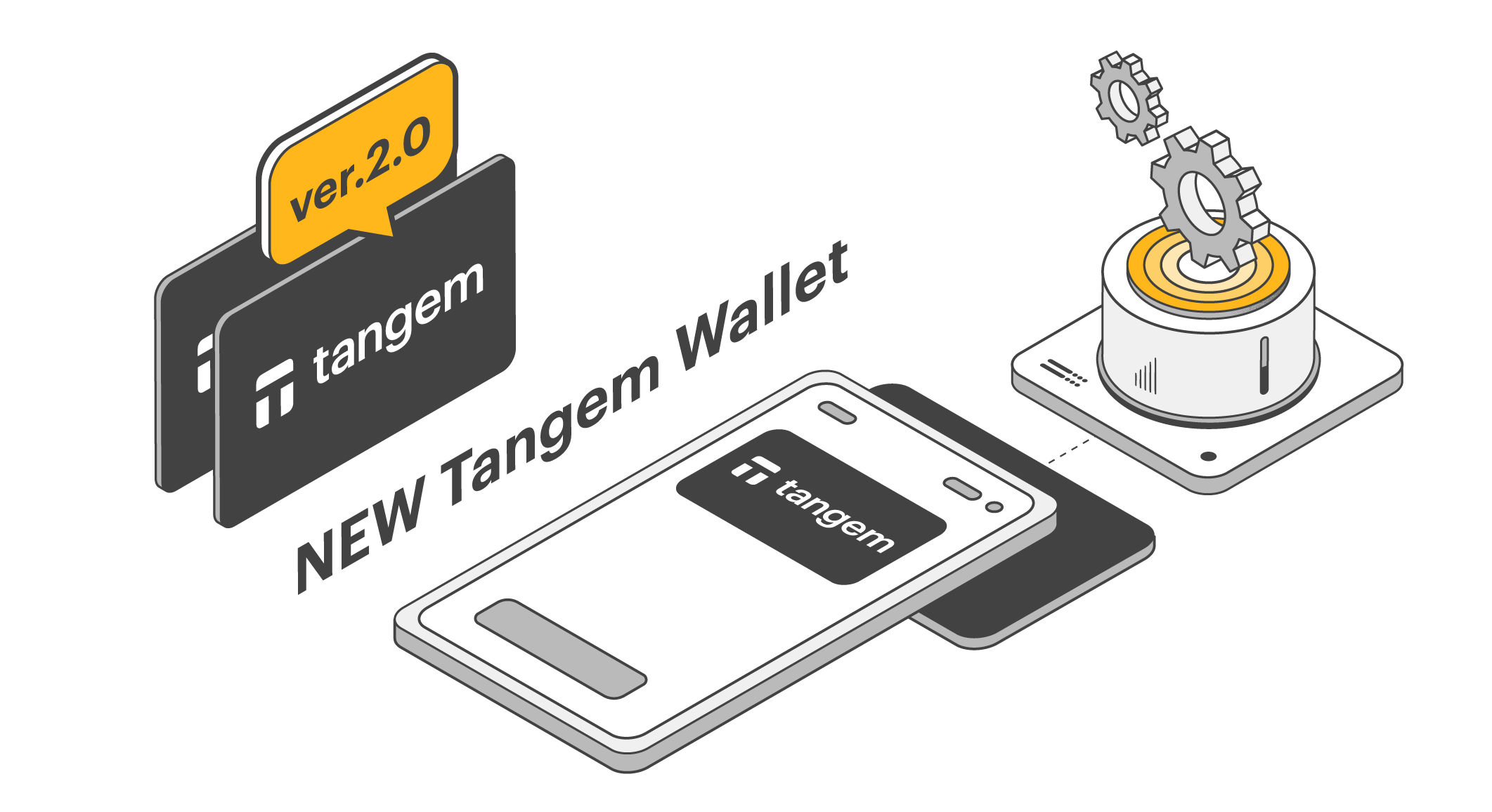
If you want one example that I often mention in conversations because they’ve built a recognizable product in this space, look into tangem.
They focus on card-first experiences and have been part of the push to make NFC wallets mainstream, though do your own due diligence and check the latest audit reports.
I’m not saying they are the only option—there are other credible players—but tangem is a meaningful entry point for many people trying card-based crypto.
Balance enthusiasm with caution; it’s good to be excited, but be methodical about where you place trust.
FAQ: Quick answers for curious buyers
Are NFC card wallets secure?
Mostly yes, when used correctly.
They keep keys in a secure element and avoid exposing private keys to phones, which reduces many remote threats.
But they are not a magic bullet—physical loss, supply-chain issues, or weak recovery planning can still lead to funds being lost.
Treat them as a secure tool that must be paired with safe habits.
What happens if I lose my card?
If you set up an external recovery (seed or backup), you can recover funds to a new device.
If the card is single-chip with no export and no backup, recovery may be impossible, so understand the device model before trusting it with large amounts.
Plan for loss like you plan for fire or theft—prepare before it happens.
Who should use a card wallet?
People who value everyday convenience and improved resistance to remote attacks, like commuters or folks who want simple spending wallets.
They’re great for moving funds quickly, paying on the go, or gifting crypto in a physical, tactile form.
If you manage very large holdings, think about layered security with multisig or more traditional air-gapped solutions.